FILE / Auto
Car Warning Lights Explained: What to Check and When to Pull Over
When a dashboard warning light suddenly appears, it can be hard to tell if you can keep driving or must pull over immediately. This guide explains how to read common red and yellow symbols, what to check on the spot, and how your owner manual fits into the decision.
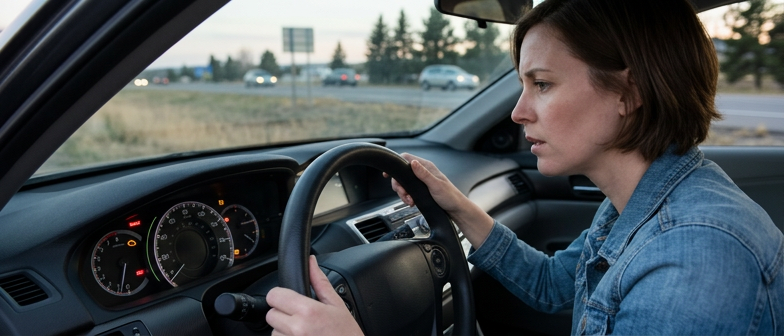
What Car Warning Lights Mean and When to Pull Over
A warning light needs a response based on its exact symbol, message, and behavior. If the car loses braking ability, overheats, shows an oil-pressure warning, produces smoke, or feels unsafe, move to a safe stopping place and seek assistance. Do not assume an amber light means you can keep driving. Color is a clue; the vehicle’s instructions and symptoms determine the response.
Once safely parked, consult the owner’s manual for the exact model and year. Do not read a manual or use a phone while driving. If you cannot identify the warning or confirm that continuing is permitted, contact roadside assistance.
Red, Yellow, and Other Colors: How to Read Your Dashboard
Most cars use dashboard light colors to show how urgent a warning is. A solid red icon usually means a safety risk or possible serious damage, such as low oil pressure, overheating, or a critical brake problem, so you should plan to stop as soon as it is safe. Yellow or amber lights can identify faults or operating conditions. They do not by themselves establish that continued driving is safe. Green and blue lights are usually status indicators, such as lights or cruise control being on, and do not signal a fault by themselves. Because symbols and logic vary by brand and model year, the exact meaning of each light and the recommended response are described in the vehicle’s owner manual.
When a new light appears, try to link its color and behavior to a simple set of actions. A red or flashing warning, especially with a chime, usually means you should slow down, avoid hard acceleration, and pull over in a safe place, then check the manual for that specific icon before continuing. If a yellow light stays on but the car feels normal, many manuals advise arranging service soon and avoiding long trips or heavy loads until it is inspected. Some indicators change color or meaning depending on whether they are steady or blinking, so using the printed or digital owner manual is the most reliable way to understand what the dashboard is reporting and decide on your next step.
Why Your Owner Manual Is the First Source to Check
When a dashboard symbol appears, the most reliable way to know what it means for your car is to check the owner manual. Automakers may share general icons, but the manual explains the exact color, wording, or blinking pattern used on your instrument panel and what each signal requires from you. There is usually a section on the instrument cluster or indicator lights listed in the contents or index. Printed and official online manuals show each symbol, explain whether to stop, seek service, or simply monitor a warning, and help you interpret alerts like engine or brake lights correctly.
Critical Warning Lights That Mean Stop Now
Some dashboard warning lights mean you can wait for a workshop visit, but a few require you to pull over and switch off the engine as soon as it is safe. The most critical are the oil pressure indicator, the high engine temperature light, and the red brake system warning. If any of these comes on and stays on, ease off the accelerator, signal, move to a shoulder or safe side street, and stop the vehicle rather than trying to complete the trip.
An oil pressure warning often appears as an old‑style oil can. If it lights up while you are driving, continuing to run the engine can quickly cause severe internal damage because moving parts may no longer be lubricated. A high engine temperature or coolant warning, sometimes shown as a thermometer symbol or a text message, signals a risk of overheating that can harm metal components and gaskets. After stopping, follow the manual’s shutdown instructions and contact roadside assistance. Never open a hot cooling-system cap. If there is steam, smoke, or fire, keep away from the engine compartment and move people to safety; contact emergency services where appropriate.
A red brake warning symbol can indicate low brake fluid, a hydraulic fault, or that the parking brake is still applied. If this light appears while you are moving and the pedal feels soft, stopping distances increase, or the car pulls to one side, treat the situation as urgent. Slow down and steer to a safe place to stop using the vehicle’s emergency instructions; avoid abrupt maneuvers. Do not resume driving with an unexplained brake warning or abnormal braking. Consult the manual and arrange professional help.
Oil Pressure and Engine Temperature: Protecting the Engine
A red oil can symbol or oil pressure warning means the engine may not be getting enough lubrication, and metal parts can quickly grind or seize. If this light comes on and stays on, move to a safe place, switch the engine off, and arrange a tow rather than continuing to drive. From a safe position, you can look for obvious leaks and check the dipstick, but follow the owner manual and leave diagnosis and repairs to a qualified shop.
A high engine-temperature warning requires prompt attention. Stop safely and follow the manual. Do not keep driving to see whether it clears, open a hot cooling system, or assume topping up coolant fixes the cause. Leave checks beyond the manual’s owner-safe procedures to a qualified technician.
Brake System Warnings and Safe Stopping
A brake warning may identify an applied parking brake or a fault. If it appears while driving, especially with changed pedal feel or reduced braking, stop safely and arrange assistance. A warning that remains after the parking brake is fully released needs the response specified in the manual. Do not attempt brake repairs at the roadside or continue with abnormal braking.
A Short Response Checklist
- Keep control of the vehicle and assess traffic and symptoms.
- Move to a safe stopping place when the warning or symptoms require it.
- Park securely before checking the exact symbol in the owner’s manual.
- Follow the stated instruction for that warning. If uncertain, contact assistance.
- Record the message and conditions for the technician. Do not erase a warning as a substitute for diagnosis.
Q&A
-
When a warning light appears, how do I know if I should stop?
Treat solid red lights for oil, coolant temperature, or brakes as urgent. Pull over safely and switch off the engine. Do not use yellow or amber color as permission to continue; check the exact warning in the manual once safely parked. -
What do red, yellow, green, and blue dashboard lights usually mean?
Red signals a serious safety or damage risk and often means stop soon. Yellow shows a fault that needs attention but is not always an emergency. Green and blue normally just show systems such as lights are switched on. -
How should I react to a steady or flashing check engine light?
For a steady light, check the model-specific instructions before deciding whether continued driving is permitted. If it flashes, the engine runs rough, or there is a burning smell, ease off the throttle and pull over, then seek professional help. -
What should I do if oil pressure or engine temperature turns red?
Indicate, move off the road, and shut the engine down as soon as it is safe. Do not restart or keep driving. From a safe place, look for obvious leaks and arrange recovery to prevent severe engine damage. -
Why is the owner manual important for brake and other warnings?
Each model uses its own symbols, colors, and blinking patterns. The manual, often available online, explains what each icon means and the recommended action, so drivers can respond correctly to brake and other alerts.
References
These examples do not replace the manual for your own vehicle.