FILE / Auto
Why Your Car Battery Keeps Dying and What to Do About It
If your car battery keeps dying, the cause is usually everyday habits, an aging battery, or a problem in the charging system. This guide shows how to tell short-trip wear from parasitic drain or alternator issues, and what tests and repairs to consider next.
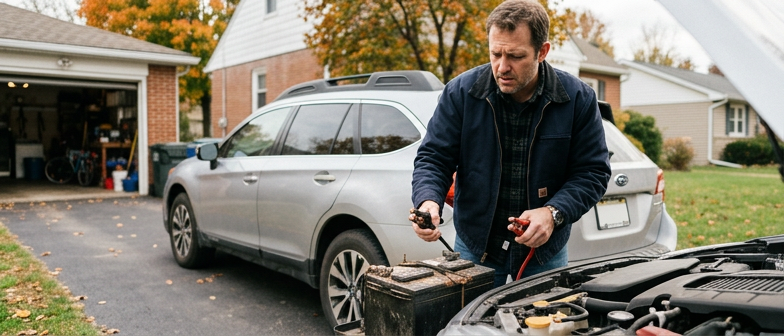
Why Your Car Battery Keeps Dying
This guide concerns the low-voltage starting battery in a conventional combustion-engine car. Hybrids and electric vehicles can use different charging systems; follow their manuals and leave high-voltage components to qualified technicians.
When a car battery keeps dying, the usual reasons are repeated short trips that never let it fully recharge, a worn-out battery at the end of its service life, or a charging system problem such as a weak alternator, slipping or loose belt, or poor connections. Other common factors include interior lights or accessories left on, a slow electrical leak known as parasitic drain, long periods of sitting without being driven, and very hot or cold weather that makes it harder for the battery to hold a charge. Repeated no-starts warrant battery and charging-system testing, regardless of battery age.
It helps to think of the battery and alternator as a team. The battery supplies the power to crank the engine, and once the engine is running the alternator replaces the energy used and supports the vehicle’s electrical systems. If the car is driven mostly on short journeys with headlights, climate control, and devices all drawing power, the alternator may not have enough time to bring the battery back to a healthy state of charge, so it gradually weakens until it cannot start the engine. Aging batteries are less tolerant of this pattern, and problems often show up after the car sits or when temperatures drop. Later sections explain how to spot charging issues or slow drains and how basic battery testing can help decide between recharging and replacement.
Everyday Habits That Drain Your Battery
Many drivers do not realize that normal routines can slowly weaken a car battery even when no obvious fault is present. Modern vehicles power computers, safety systems, and comfort features, so the battery and alternator are under steady load. If daily driving does not give the charging system enough time to restore what was used during starting and accessory use, the battery can finish most days slightly undercharged. Repeated shallow discharge and incomplete charging over weeks or months can lead to hard starting, slow cranking, or frequent jump-starts without any clear mechanical failure.
Short trips are one of the most common patterns that contribute to this problem. Starting the engine requires a strong burst of current, and the alternator then has to replace that energy. On brief drives, especially in stop-and-go traffic or cold conditions, the engine may not run long enough to bring the battery back to full charge. A battery that spends much of its life only partly charged is more likely to develop internal sulfation, which reduces its ability to store energy and increases the chance that the car will struggle to start after sitting for a day or two.
Comfort and convenience habits can add extra load even when the car is not moving. Listening to the stereo, charging multiple devices, or leaving interior lights on with the engine off all draw directly from the battery. Using heated seats, rear defrosters, or high-demand climate control on very short journeys also increases current draw while giving the alternator limited time to recharge. Being aware of these patterns allows drivers to adjust habits, such as limiting nonessential accessory use with the engine off, arranging proper recharging when needed, and watching for signs like dim lights that suggest daily use is beginning to create battery problems.
Short Trips and Infrequent Driving
Short drives in stop and go traffic often do not give the alternator enough time to replace the energy used to start the engine. Each start draws a burst of power from the battery, and if most use is quick errands or a very short commute, the battery can remain only partially charged and may struggle in cold weather or age faster.
Long gaps between these short trips make things worse because modern vehicles draw a small amount of power even when parked. If a car sits for days and is then only driven a short distance, the battery can slowly discharge. Drivers can combine errands or ask a qualified shop about a compatible charger or maintainer. Do not assume a short drive or idling will fully recharge a deeply discharged battery. Keep all safety-related lights and visibility systems in use whenever needed.
Accessories, Lights, and Parasitic Drain
With the engine off, small systems such as the clock, alarm, and keyless entry draw a little power. On their own this is normal, but added loads can turn it into parasitic drain. Interior or glove box lights that do not switch off, faulty door or trunk switches, and plug-in items like phone chargers or dash cameras that stay live in a 12-volt outlet can slowly discharge a weak or aging battery while the car is parked.
To look for a hidden drain, park in a dark place, switch everything off, lock the car, then walk around and check for any glow from dome or trunk lamps or noise from accessories. When nothing obvious shows, a workshop or parts store can measure key-off current with a meter, test the battery, and check alternator charging to narrow down the cause.
When the Problem Is the Charging System
A weak or dead battery is not always the battery’s fault. If the car starts after a jump but dies again while you are driving, or if a new battery keeps running down, the fault may be in the charging system rather than normal battery wear. The alternator converts engine rotation into electrical power for the battery and vehicle electronics. When the alternator, its wiring, or drive belt is failing, the battery ends up supplying most of the power. It then discharges faster than it can be recharged and can leave the car unable to restart.
Charging problems often give some warning before the car stalls. A key clue is a battery or charging symbol glowing on the dashboard, especially if it lights up while driving or appears with flickering headlights, a dim instrument panel, or sluggish electrical accessories. You might notice slow power windows, a weak blower fan, or electronics that cut out at idle, which suggests the alternator is not providing steady output. If a charging warning appears while driving, follow the owner’s manual and stop in a safe place if instructed. Arrange assistance; a workshop can test the system before replacing parts. This test helps separate a worn-out battery from a charging fault that could quickly damage any replacement.
How Alternator Charging Works
When the engine is running, a belt spins the alternator, which is a small generator that turns mechanical energy into electricity. That electricity first covers whatever the car is using at the moment, such as headlights, the blower fan, or the infotainment system, and any extra current is routed through the voltage regulator to recharge the battery. Charging voltage varies with vehicle design, temperature, state of charge, and control strategy. A single generic voltage range cannot establish that the system is healthy. A qualified technician should test it using the manufacturer’s procedure.
Q&A
-
Why does my car battery keep dying?
Common causes include frequent short trips that never fully recharge it, an aging battery near the end of its life, or a weak charging system. Long storage and very hot or cold weather make these issues appear sooner. -
Can my driving habits damage the battery?
Yes. Many short drives, using accessories with the engine off, and leaving the car parked for long periods can leave the battery undercharged. This speeds up wear and makes failure more likely in harsh weather. -
What is parasitic drain on a parked car?
It is a small but constant current draw when the engine is off, beyond what computers and security systems normally need. A battery that tests good but goes flat after a day or two of parking, often due to a light or accessory staying on, is a typical sign. -
How do I check if the alternator is charging?
Ask a qualified technician to test the battery and charging system against the vehicle manufacturer’s specifications. Avoid working near moving belts, disconnecting a battery with the engine running, or treating a single voltage reading as a complete diagnosis. -
When should I test or replace the battery?
A battery that cranks slowly or needs frequent jump-starts should be tested with proper equipment. If it fails a load test or will not hold a charge, replacement to the vehicle’s specifications is usually advised.
References
- https://www.acg.aaa.com/connect/blogs/4c/auto/car-battery-maintenance-guide?sf196569598=1
- https://www.consumerreports.org/cro/car-batteries/buying-guide.htm
- https://www.aaa.com/automotive/roadside/mobile-battery
- https://cluballiance.aaa.com/the-extra-mile/advice/Car/How-to-Easily-Select-and-Change-Your-Cars-Battery?et_cid=instagram%3Aorganicsearch%3Aautomotive%3Aauto_1224_batteryswap
- https://www.theaa.com/breakdown-cover/advice/how-to-replace-a-car-battery?msockid=01c256eede8f661f1589401ddf1d67ea