FILE / Science
Why Cities Feel Hotter Than the Countryside
Stepping from a shaded suburb into a concrete downtown can feel like walking into an oven. This overview explains why urban heat islands form, how surfaces and tree shade change temperatures, and what practical cooling steps neighborhoods can take.
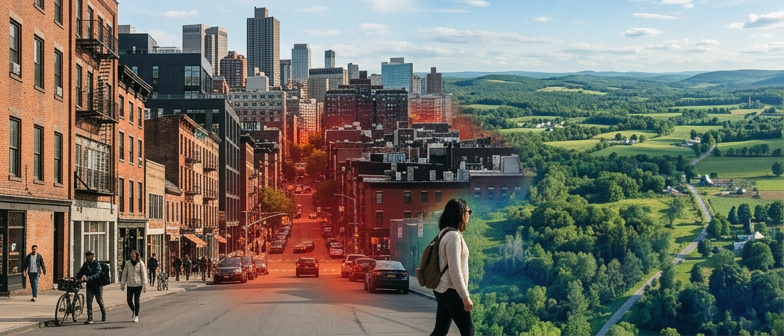
Why Cities Run Hotter Than the Countryside
Stepping from a nearby field or suburb into a downtown street can feel like entering a different climate. This difference is known as the urban heat island effect, where city temperatures run higher than in surrounding rural areas, especially in the late afternoon and at night. Dense development changes how the ground and buildings absorb, store, and release heat compared with open land and vegetation. Grass, soil, and tree cover are often replaced by dark roofs, wide roads, and tall structures that soak up solar energy during the day and slowly release it after sunset.
This helps explain why a neighborhood with extensive pavement and limited greenery stays warmer than a nearby park or farm field under the same weather conditions. Concrete, asphalt, and roofing materials store more heat than moist soil or shaded lawns, while traffic, air conditioners, and industrial activity add additional warmth. Satellite and ground measurements show clear temperature contrasts where urban development meets the countryside. Recognizing this basic mismatch between built surfaces and natural landscapes sets up later discussion on how urban areas can be cooled with reflective materials, more tree shade, and other practical strategies.
How Surfaces and Buildings Trap Heat
In many cities, the ground and building surfaces act like large heat sponges. Dark asphalt, black roofs, and thick concrete absorb much of the sun’s energy during the day and then release it slowly after sunset. Agencies such as the U.S. Environmental Protection Agency describe this stored and re-radiated heat as a major factor behind urban heat islands, where built-up areas become warmer than nearby fields or forests. Satellite observations show that neighborhoods with more pavement and bare roofs often have higher land surface temperatures than areas with similar weather but more vegetation or lighter-colored materials.
The layout of streets and buildings also affects how heat builds up. Tall structures set close together create urban canyons that reduce airflow and can block cooling breezes, while still allowing sunlight to strike dark pavements and walls. Waste heat from vehicles, air conditioners, and other equipment can accumulate in these confined spaces, adding to the warmth already stored in surrounding surfaces. This mix of limited wind, extra heat from human activity, and heavily built environments helps keep city air temperatures higher, especially during the evening and night, than in many rural surroundings.
Because surfaces and structures are central to this process, many strategies to cool cities focus on changing materials and design. Measures promoted in official guidance include reflective or so-called cool roofs that reflect a larger share of incoming sunlight, pavements with higher reflectivity that stay cooler under the same sun, and additional trees that shade sidewalks and buildings. Green roofs and planted areas support evaporation, which carries heat away as water turns to vapor. These approaches do not remove hot weather, but they can lower local surface temperatures and make urban spaces more comfortable.
Surface temperature, shaded air temperature, and the heat a person experiences are different measurements. A satellite usually measures the surface “skin” of roofs and ground, not the air temperature at walking height. Direct sunlight, reflected radiation, humidity, wind, and shade all affect comfort, so a cooler pavement measurement does not automatically mean the same reduction in pedestrian heat exposure.
Common Urban Surfaces and What They Do to Heat
Many city surfaces are built to be durable rather than cool, and that shapes how heat builds up. Dark asphalt on streets and parking lots absorbs most of the sunlight it receives and then releases that energy as heat, especially in the late afternoon and evening. Concrete sidewalks and walls reflect more light than fresh asphalt but still store warmth, so the surrounding air can stay warm after sunset. Dark, traditional roofs add to this pattern by soaking up solar energy over large areas, which helps explain why measurements often show higher land surface temperatures in dense downtown districts than in nearby open land. Lighter or reflective roofs and pavements can cut heat absorption, but they may increase glare or cost more, so planners tend to balance these trade‑offs when designing cooling strategies.
The Role of Trees, Parks, and Water
Trees, parks, and small water features can make a neighborhood noticeably cooler than nearby blocks dominated by pavement and buildings. Shade from street trees and lawns interrupts large areas of dark, heat-absorbing surfaces, while leaves release water vapor through evapotranspiration, which cools the surrounding air in a way similar to sweating. Satellite observations from agencies such as environmental and space research institutions often show lower land surface temperatures in and around urban green spaces than in surrounding built-up areas, especially on hot summer afternoons. These cooler pockets help explain why a city park can feel more comfortable than a nearby commercial street during a heat wave, even though both are in the same regional climate.
For residents and planners, the key question is how to fit more greenery and water into dense urban areas without creating new issues. Large shade trees over sidewalks and parking lots can lower building cooling needs and reduce heat stress, but roots, maintenance costs, and the need for safe, accessible walkways all require attention. The effects of parks and street trees depend on canopy, placement, water availability, airflow, and local climate, while fountains or restored streams need careful design to limit water waste and safety risks. Mapping where heat is most intense with local measurements or public data helps communities target tree planting, park expansion, and other green infrastructure to the hottest areas, creating more shaded, cooler places for daily summer life.
Why Tree Shade Feels So Much Cooler
Standing under a leafy tree feels cooler than standing on a sun‑baked sidewalk because the canopy blocks direct sunlight and changes how nearby surfaces handle heat. Pavement and dark roofs absorb solar energy and release it as heat, warming the air around your body, while leaves intercept much of that energy before it reaches the ground. The canopy also releases water vapor through evapotranspiration, drawing heat out of the surrounding air and making the immediate area feel more comfortable on hot days.
Other Everyday Heat Sources in Cities
Beyond hot roofs and pavement, many daily activities add extra warmth to city air. Traffic is a major source, as engines, exhaust systems, and brakes release heat directly into streets, especially during rush hour. Air conditioning units move heat from inside buildings to the outside, so long rows of condensers create warm plumes along walls and rooftops. This human-generated waste heat stacks on top of already warm surfaces and helps explain why busy downtown areas often stay hotter than nearby rural land, particularly at night.
The design of city blocks also affects how this added heat builds up. Tall buildings that stand close together can block breezes and form street canyons where hot air lingers, while narrow roads and heavy traffic limit mixing with cooler air. When there are few trees or green spaces to shade and cool the air, these everyday sources have a larger impact on overall city temperatures and contribute to the urban heat island effect.
Q&A
-
Why can cities be warmer than nearby countryside?
Many hard surfaces and dense buildings absorb sunlight and release it as heat, creating an urban heat island that keeps city air warmer, especially later in the day and at night. -
How do city surfaces influence heat?
Dark asphalt and many roofs absorb most incoming sunlight, while concrete stores heat. Compared with soil and vegetation, these materials raise local surface and air temperatures. -
Why does shade from trees feel cooler than open pavement?
Tree canopies block direct sun from hitting hot ground. Their leaves also release water vapor, which removes heat from the surrounding air and makes shaded spots feel noticeably cooler. -
Which daily activities add extra heat in cities?
Vehicles, trains, and other machines release heat from engines and brakes. Air conditioners move indoor heat outdoors, warming the air near buildings and busy streets. -
What can neighborhoods do to cool their area?
Steps include planting and caring for street trees, using lighter or reflective roofs and pavements where suitable, adding small green spaces, and improving insulation to reduce air‑conditioning demand.
References
- https://www.epa.gov/heatislands/what-are-heat-islands
- https://science.nasa.gov/wavelength/the-heat-is-on-urban-heat-islands-detection-strategies-and-mitigation-solutions/
- https://education.nationalgeographic.org/resource/us-urban-heat-island/
- https://eros.usgs.gov/doi-remote-sensing-activities/2025/usgs/where-city-meets-country-surface-temperatures-tell-story
- https://www.epa.gov/green-infrastructure/reduce-heat-islands