FILE / Auto
What Your Tire Sidewall Numbers Mean
Wondering what codes like P215/60R16 94H on your tire sidewall actually mean? This guide quickly decodes size, load index, speed rating, and DOT date so you can choose safe replacement tires and check whether your current set is still suitable for everyday driving.
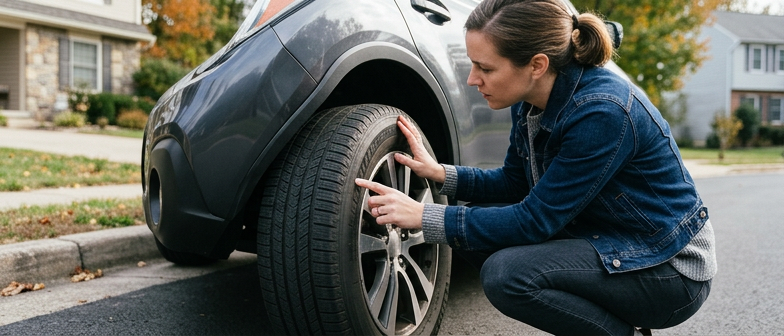
A Quick Guide to What Your Tire Sidewall Is Telling You
The string of letters and numbers on a tire sidewall is a compact label describing size, load index, speed rating, and age. In a code such as P215/60R16 94H, the first section shows the tire’s width, aspect ratio, and wheel diameter, the two-digit number gives the load index, and the final letter indicates the maximum speed the tire is designed to handle. Near the word DOT, another group of characters includes a four-digit date code that identifies the week and year the tire was manufactured.
Knowing how to read these tire sidewall markings gives you a practical size guide whenever you inspect or replace tires. By locating the size, load index, speed symbol, and manufacturing date, you can check whether your current tires match the vehicle’s recommended specifications and choose replacement tires with similar capacity and performance. Later sections explain each part of the code in more detail and refer to industry sources you can use to confirm any unfamiliar symbol.
Breaking Down Tire Size, Load Index, and Speed Rating
A code such as P215/65R16 98H is a compact Tire Size Guide printed in the sidewall markings. The first letter, like P, indicates a passenger tire, though some tires omit this. The three-digit number, here 215, is the section width in millimeters from sidewall to sidewall. The two-digit number after the slash, such as 65, is the aspect ratio, meaning the sidewall height as a percentage of the width. The next letter, often R, usually shows radial construction, and the final number, like 16, is the wheel diameter in inches that the tire is designed to fit.
The load index and speed rating appear together at the end of this code and describe how much weight the tire can carry and the maximum tested speed capability. The load index, such as 98, is a two- or three-digit number that corresponds to a specific load capacity in official charts issued by tire manufacturers and industry groups. A higher index means a higher allowable load per tire when it is properly inflated, but the exact weight must be looked up in those tables rather than read directly from the sidewall.
The speed rating that follows, such as H, is a letter code for the tested maximum speed the tire can sustain under standardized conditions, not a target speed for everyday driving. When choosing replacement tires, a common safety recommendation is to match or exceed the original load index and speed rating listed on the vehicle’s information label or in the owner’s manual. If there is any doubt about using a different specification, consultation with a qualified professional is usually advised so that the tire’s capabilities remain consistent with the vehicle’s intended weight and performance limits.
| Part of P215/65R16 98H | Meaning |
|---|---|
| P | Passenger tire designation |
| 215 | Nominal section width in millimeters |
| 65 | Aspect ratio: sidewall height relative to width |
| R | Radial construction |
| 16 | Wheel diameter in inches |
| 98 | Load index; consult the tire maker’s capacity chart |
| H | Speed rating; consult the tire maker’s rating chart |
Real-World Examples of Matching Size, Load, and Speed
Suppose your sedan’s door placard lists 225/60R16 98H. When you choose replacement tires, you match 225/60R16 so diameter, width, and wheel fit stay close to the original, which helps keep the speedometer and basic handling as designed. You also keep a load index of at least 98 so each tire can carry the intended weight, and you select an H or higher speed rating so the tire is approved for the vehicle’s potential top speed under controlled conditions. If someone suggests a lower load index or speed symbol, it is a reason to compare with the original specification and confirm what your owner’s manual recommends before accepting the change.
Other Key Sidewall Markings You Should Know
Beyond size, load index, and speed rating, the sidewall lists a service description and other limits that explain how the tire is meant to be used. A code such as 94H links the load index to a speed symbol, and notes like Extra Load or Standard Load show how much weight the tire is designed to carry at the correct pressure. Nearby you may see maximum load and maximum inflation pressure in pounds and psi. These figures describe the tested limits of the tire, not the pressure you should use every day, so the pressures in the owner’s manual or door‑jamb label remain the primary reference.
You may also see traction, temperature, and treadwear grades, plus symbols that show which driving conditions the tire was designed to handle. These Uniform Tire Quality Grading markings are mainly for comparing similar tires and do not guarantee specific stopping distances or heat resistance in every situation. M+S and the three-peak mountain snowflake symbol are different designations; do not treat them as equivalent evidence of tested snow performance. Check the tire manufacturer’s explanation of the exact marking. Other notes may identify run-flat construction or reinforced sidewalls.
How to Find and Read the DOT Code and Tire Age
On most passenger tires, the DOT code is molded into the sidewall near the wheel, starting with the letters DOT followed by numbers and letters. The last four digits show the production week and year, for example 1422 for the fourteenth week of 2022. The complete code may appear on only one side of the tire, so it can be necessary to check the inner sidewall. Tire makers and industry groups publish photos and explain that these final four digits identify when the tire was manufactured.
This manufacturing date helps you consider whether a tire is becoming too old for regular use, even if the tread still appears deep. Heat, sunlight, and storage conditions can age rubber. Check the tire and vehicle manufacturers’ age-related inspection and replacement guidance. The date code alone does not establish that a tire is safe; condition, damage, and service history also matter.
Choosing Safe Replacement Tires Using Sidewall Information
When selecting replacement tires, start by matching the main numbers on your current tire’s sidewall with the information on the vehicle placard near the driver’s door. The placard gives the specified tire size and cold inflation pressure. Confirm any additional load and speed requirements in the owner’s manual or manufacturer guidance. A tire size guide or sidewall chart can help you confirm that width, aspect ratio, and rim diameter stay within the range the vehicle was built to use.
Load index tells you how much weight each tire can support, and speed rating shows the maximum speed it is designed to handle under specified conditions. Replacement tires should not have a lower load index than the originals, and dropping below the specified speed rating is usually discouraged unless a qualified professional explains the consequences. Ratings alone do not predict ride comfort or handling. Follow the vehicle manufacturer’s replacement requirements rather than simply seeking the highest marking.
After size and ratings, consider how you drive and what you want from ride comfort, noise, and handling. For typical city and highway use, a tire with similar dimensions but a comfort‑oriented design may feel smoother, while a more performance‑focused pattern may respond quickly but pass more bumps into the cabin. Before buying, check the sidewall date code so you avoid older stock and compare all markings with the vehicle placard and neutral reference guides, confirming that size matches, load index is not lower, speed rating suits your driving, and the tire age falls within commonly recommended limits.
Q&A
-
What does a code like P215/60R16 94H mean?
It shows tire type, width, aspect ratio, construction, wheel diameter, load index, and speed rating. For example, 215 is width in millimeters, 60 is the sidewall height as a percent of width, R means radial, 16 is rim size in inches, 94 is load index, and H is speed rating. -
How can I use sidewall markings as a basic tire size guide?
When replacing tires, match the width, aspect ratio, and wheel diameter on your current tires and the driver’s door label. Keep the load index and speed rating the same or higher than specified. -
What does the load index tell me?
The load index is a number that indicates how much weight one tire can carry at its rated pressure. Using a lower index than the vehicle specification can reduce safety margins when the car is fully loaded. -
How do I read tire age from the DOT code?
Find the DOT marking on the sidewall and read the last four digits. They show the production week and year, so 1422 means the 14th week of 2022. The full code might appear on only one side of the tire. -
What checklist should I follow for replacement tires?
Match the size to the door label, use load index and speed rating at or above the originals, confirm the tire type, check the DOT date so the tire is not too old, and set pressure to the vehicle label, not the maximum on the tire.