FILE / Health
How to Start a Walking Routine When You Have Been Inactive
Starting a walking routine when you’ve been inactive can feel intimidating, but you only need one short, easy walk to begin. This guide shows how to build up time and intensity gradually, choose comfortable footwear, and turn simple walks into a steady daily habit.
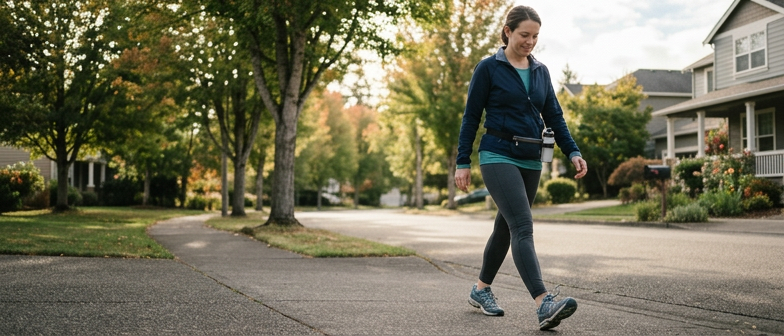
Answering the Big Question: How Do You Actually Start?
If you have been inactive, start with one short, specific walk you can repeat most days, such as five to ten minutes at a relaxed pace around your block or indoors. Public health guidance suggests beginning with small amounts of movement spread through the week and building up gradually, especially if you sit a lot or have health conditions. If you have symptoms, a condition that affects safe activity, recent surgery, or uncertainty about your limits, ask a clinician how to adapt your plan. In the first week, focus on comfort rather than speed or distance, wear shoes that fit well, pay attention to your breathing, and stop if you feel chest pain, marked shortness of breath, or dizziness.
Once those short walks feel routine, extend either the time or the number of days you walk, but avoid increasing both at once. You might add a few minutes to one walk each week or add an extra walking day, gradually moving toward commonly cited goals for moderate activity while remembering these are general targets, not strict rules. Many people find it easier to stay consistent by pairing walking with an existing habit, such as after breakfast or during a regular TV show, and by planning a simple indoor option for bad weather. Treat this as a long-term change in daily activity, adjusting your pace and expectations and checking trusted health organizations for updated advice on safe ways to stay active.
Setting Up a Walking Routine You Can Stick With
If you have been inactive, begin with a walking plan that feels realistic now rather than what you think you should do. A brief daily session, such as 5 to 10 minutes on most days, is enough to start building a habit. Health guidelines often mention 150 minutes per week of moderate activity as a long-term aim, but public health agencies also note that even short, light walks are useful and can be increased gradually. Keeping the first step small lowers the barrier to getting started and helps the routine fit into your existing life.
To make the habit more automatic, decide in advance when and where you will walk and connect it to something you already do most days. You might walk around your neighborhood after morning coffee, take a short loop during a lunch break, or use an indoor hallway or mall in bad weather. Choosing a regular route and time reduces the need for daily decisions and can make it easier to follow through. It also helps to plan simple alternatives, such as a shorter route for low-energy days and a basic plan for rain or heat, and to tell people you live with so they can respect that time.
As your new routine feels more familiar, gradually increase either the duration, the number of days, or the pace, but adjust only one of these at a time. Many health organizations suggest adding just a few minutes per week or an extra walking day instead of jumping to long sessions when you are coming from low activity. A simple checklist can help: confirm your walking time and route in advance, make sure your shoes feel comfortable, and briefly note how you feel before and after each walk. If you experience pain, dizziness, or other concerning symptoms, or have health conditions, ask a health professional how to adapt your plan safely.
| Planning Step | Example Option | When It Fits Best | Notes |
|---|---|---|---|
| Daily time slot | Short walk after morning coffee | People with flexible mornings | Helps anchor new habit |
| Primary route | Loop around neighborhood | Safe, familiar areas | Reduces daily decision-making |
| Backup route | Indoor hallway or mall | Extreme heat or bad weather | Keeps consistency on tough days |
| Energy-based option | Shorter loop for low-energy days | Busy or tiring weeks | Prevents skipping entirely |
| Support at home | Tell family your walk time | Shared living spaces | Helps protect walking time |
Small Starts and Gradual Progression
If you have been inactive, begin with very short, easy walks and add a little more over time. Public health guidance suggests starting with about five to ten minutes at a comfortable pace on most days, if you do not have medical restrictions. When this feels manageable, add a few minutes each week so your muscles and joints can adapt instead of being stressed by a sudden jump in activity.
The following is an optional example, not a prescribed progression schedule. Build up only when your current activity feels manageable; repeat or reduce a week when needed. You might walk around ten minutes three days a week at first, then increase to about twelve to fifteen minutes the next week, and gradually move toward twenty to thirty minutes on most days. It is important to adjust based on how your body feels and ease off if you notice unusual pain or extreme fatigue, which can signal overuse.
Making Walking Part of Everyday Life
A practical way to keep a walking routine is to link it to habits you already follow, so it feels like a normal part of the day instead of a special workout. You might walk for ten minutes after breakfast or park slightly farther from destinations and count the extra distance as daily movement. Public health guidance notes that building activity into routine tasks can make it easier to be active because you do not need separate time set aside for exercise.
Choose small, repeatable cues that fit your schedule and use them as prompts to walk, such as taking a short lap during work breaks, walking while talking on the phone, or using an indoor space when weather limits outdoor activity. Over time, these cues can help walking feel automatic, and short, frequent bouts linked to familiar routines can support a steady habit for people who have been inactive.
Staying Comfortable and Safe When You Walk
Comfort starts with what you wear. Choose shoes that fit well, support your heel, and leave space for your toes so they do not rub. Cushioned athletic or walking shoes can make longer walks easier if you have been inactive. Wear light, flexible clothing and socks that reduce friction to lower the chance of blisters. Keep a relaxed posture by looking ahead instead of at your feet, letting your shoulders drop, and swinging your arms naturally. If you feel sharp pain, strong shortness of breath, dizziness, or chest discomfort, slow down and stop. Health agencies advise talking with a health professional before increasing activity if you have heart or joint problems, other long-term conditions, or have concerns about symptoms or safe limits.
Safety also means planning when and where you walk. Well-lit routes, sidewalks, or indoor spaces such as malls can help you avoid obstacles and feel more secure. Outside, pay attention to heat, cold, wet or uneven surfaces, which can make walking harder or raise the risk of slips. Begin with a gentle pace and short distance so you can see how your body responds, and increase time or speed gradually. Many beginners find it helpful to stay at an effort level where they can still talk in full sentences and to notice any new or worsening symptoms, which supports a steady and safer walking habit.
Choosing Comfortable Footwear and Gear
Choose walking shoes that feel comfortable right away, with room for your toes, a secure heel, and a sole that bends near the ball of your foot. Moderate cushioning can ease soreness when you are new to walking. If you are unsure about sizing or have issues such as bunions or flat arches, consider checking options in a store with a return policy or seeking advice from a health professional before committing.
Simple, practical gear helps you stay comfortable without turning preparation into a hurdle. Breathable socks that manage moisture may reduce blisters, and light layers let you adjust to changing temperature. For outdoor walks, items such as a hat, sun protection, and a small water bottle can support comfort and safety, so you can focus on keeping a steady walking habit rather than collecting equipment.
Q&A
-
If I am very inactive, how can I begin walking?
Start with one 5–10 minute walk most days at a relaxed pace, indoors or close to home. Stop if you develop chest discomfort, marked breathlessness, dizziness, or other concerning symptoms. Chest pain, fainting, or severe or persistent breathing difficulty may require emergency help; do not simply rest and resume. -
How should I progress my beginner plan?
When your current routine feels manageable, make a small change to time, frequency, or pace. There is no fixed weekly increase for everyone; keep, reduce, or pause the plan if symptoms or recovery require it. -
What is a suitable walking intensity at the start?
Begin at a comfortable effort where conversation is easy. You do not need to make every beginner walk moderately intense. As fitness improves, moderate effort is commonly described as being able to talk but not sing; adjust to your health and ability rather than forcing a pace. -
What shoes are suitable for regular walks?
Choose shoes that are comfortable immediately, with space for your toes, secure heels, and flexible soles. Soft socks and light cushioning help reduce rubbing and blisters. -
How can I turn walking into a daily habit?
Link walking to routines, such as 10 minutes after meals or during calls. When practical, use stairs or park a bit farther away and count these short periods as part of your weekly movement.
References
- https://www.niddk.nih.gov/health-information/weight-management/tips-get-active/tips-starting-physical-activity
- https://www.nhs.uk/live-well/exercise/walking-for-health/
- https://www.cdc.gov/healthy-weight-growth/physical-activity/getting-started.html
- https://diabetes.org/health-wellness/fitness/benefits-walking